
When most people think about allergies, they picture pollen in the spring or pet dander year-round. While those are certainly common triggers, many patients are surprised to learn that their symptoms are often caused—or worsened—by hidden allergens they encounter every day.
At Pacific Allergy and Asthma, we frequently see patients who have persistent symptoms despite avoiding obvious triggers. In many cases, the cause turns out to be something less obvious: indoor environments, everyday products, or seasonal factors that don’t receive much attention.
Understanding these hidden allergy triggers is the first step toward lasting relief.
Why Hidden Allergens Are Often Missed
Hidden allergens are difficult to identify because they:
- Are present year-round, not seasonally
- Mimic cold, sinus, or asthma symptoms
- Accumulate slowly over time
- Are often indoors, where people feel “safe” from allergies
Because exposure is constant, symptoms may feel chronic rather than episodic, making it harder to connect them to a specific trigger without professional testing.

Common Hidden Allergy Triggers
1.Mattresses and pillows
- Upholstered furniture
- Carpets and rugs
- Bedding and blankets
They feed on dead skin cells and flourish in warm, humid indoor environments.
Symptoms may include:
- Nasal congestion upon waking
- Chronic sneezing
- Postnasal drip
- Worsening asthma at night or in the morning
Many patients are unaware that their bedroom is a primary exposure point.
2. Mold in Unexpected Places
Mold does not only grow in visible, damp areas like bathrooms. It can also be found:
- Inside HVAC systems
- Behind walls
- Under sinks
- Around window frames
- In drip pans and air vents
In Southern California, coastal humidity and mild winters can allow mold to persist year-round.
Common symptoms:
- Sinus pressure
- Chronic cough
- Headaches
- Fatigue
- Asthma flare-ups
3. Indoor Air Quality and HVAC Systems
Heating and air conditioning systems can circulate allergens throughout your home.
Potential triggers include:
- Dust buildup in ducts
- Mold spores in vents
- Dirty or low-quality air filters
- Outdoor allergens pulled indoors
If symptoms worsen when your HVAC system is running, indoor air quality may be a contributing factor.
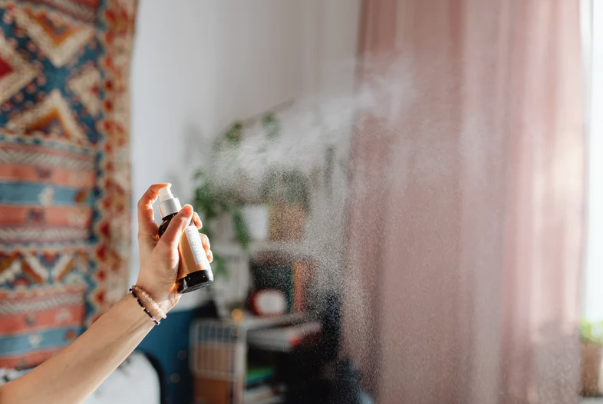
4. Cleaning Products and Fragrances
Many household products contain chemicals that can trigger allergy or asthma symptoms, including:
- Scented cleaners
- Air fresheners
- Candles
- Laundry detergents
- Fabric softeners
These products can irritate the respiratory system and are often mistaken for seasonal allergies.
5. Clothing, Storage, and Fabrics
Hidden allergens can linger in:
- Stored clothing
- Closets with limited airflow
- Wool or synthetic fabrics
- Items kept in garages or storage units
Dust mites and mold spores can accumulate in fabrics over time, leading to exposure long after the original source is forgotten.
6. Food Cross-Reactivity (Oral Allergy Syndrome)
Some patients experience allergy symptoms when eating certain fresh fruits or vegetables due to cross-reactivity with pollen allergies.
Examples include:
- Itchy mouth or throat after eating apples, melons, or stone fruits
- Tingling lips or tongue
- Mild swelling
These reactions are often confused with food allergies but are related to pollen sensitivities.
Why Allergy Testing Matters
Because hidden triggers are not always obvious, professional allergy testing is essential for patients with ongoing or unexplained symptoms.
At Pacific Allergy and Asthma, testing allows us to:
- Identify specific environmental and food allergens
- Distinguish allergies from infections or other conditions
- Create personalized treatment plans
- Reduce unnecessary medications
- Improve long-term asthma and allergy control
Frequently Asked Questions
The most common hidden allergy triggers include dust mites, mold, indoor air pollutants, fragrances, HVAC systems, and certain foods that cross-react with pollen allergies.
Yes. Chronic allergies often cause congestion, postnasal drip, coughing, and fatigue that can feel like a lingering cold or sinus infection.
If symptoms persist year-round, worsen indoors, or are more noticeable at home or work, indoor allergens such as dust mites or mold may be the cause. Allergy testing can confirm this.
Yes. Many scented or chemical-based cleaning products can irritate the respiratory system and worsen allergy or asthma symptoms, especially in sensitive individuals.
Yes. Winter allergies are commonly caused by indoor allergens like dust mites, mold, and pet dander rather than outdoor pollen.
You should see an allergist if symptoms are persistent, interfere with sleep or daily activities, worsen asthma, or do not respond to over-the-counter medications.
Allergy testing identifies specific allergens responsible for symptoms, allowing for targeted avoidance strategies and personalized treatment plans.
Expert Care Makes the Difference
Living with chronic allergy symptoms does not have to be your normal. Many patients feel significant relief once hidden triggers are identified and properly managed.
At Pacific Allergy and Asthma, our board-certified specialist take a comprehensive approach to diagnosing and treating allergies and asthma—helping patients breathe easier and feel better year-round.
If you suspect hidden allergy triggers may be affecting your health, professional evaluation is the next step.